
Reactive Dogs: Stress-Free Photography Sessions to Capture Their Personality
Photographing Reactive Dogs: My Approach
Many owners of reactive dogs worry that a photoshoot might not be possible. It is completely understandable. Reactive dogs, those who may bark, lunge, or become anxious around other dogs, can behave differently in unfamiliar environments, and it’s natural to question whether a photography session will work.
This blog is here to reassure you that reactive dogs absolutely can enjoy a photography session, and to explain exactly how I approach these sessions. From choosing a safe location to working at your dog’s pace, I share the techniques I use to create calm, enjoyable sessions that capture your dog’s personality naturally.
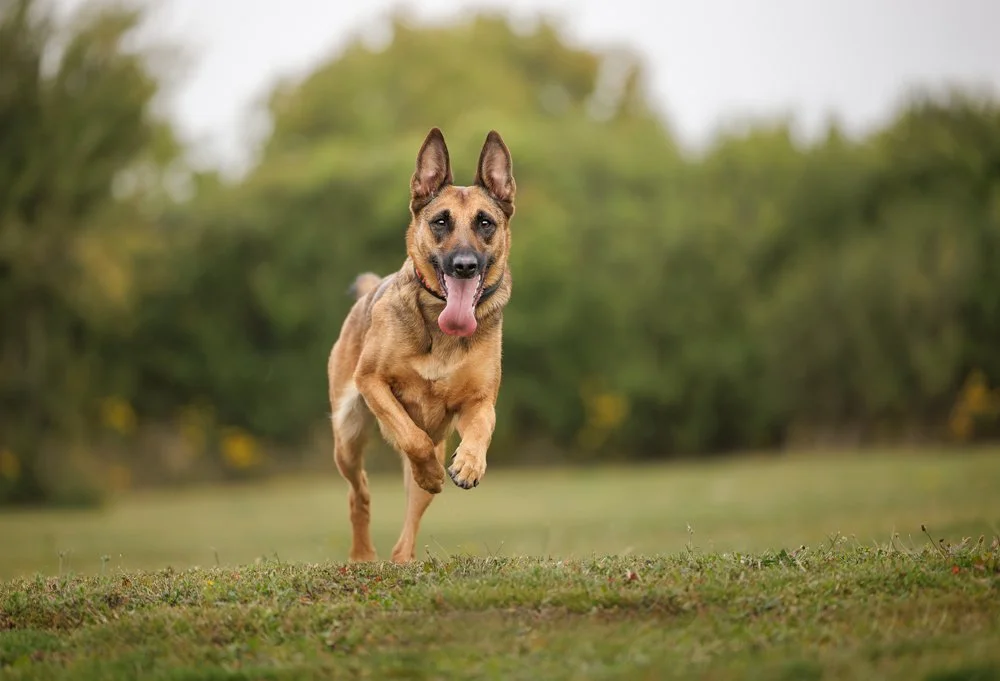
Luna, a Malinois from Portsmouth, Hampshire, is a perfect example. She had an accident as a puppy that left her wary around other dogs, as she missed out on most of her socialisation, but with patience, space, and careful planning, we captured beautiful, expressive portraits that truly reflected her personality.
Choosing a Safe and Secure Location
For reactive dogs, location is crucial. Busy parks, beaches, or areas with other dogs can quickly trigger anxiety or unwanted behaviour.
For Luna, we selected a secure, private field near Portsmouth, giving her the freedom to explore safely without distractions.
When photographing reactive dogs, I look for:
Quiet, controlled spaces where the dog feels secure
Room to move freely and choose their distance from triggers
Familiar or enclosed areas for confidence-building
My Approach: Observation, Patience, and Gentle Guidance
Reactive dogs need a very different approach than more relaxed dogs. Here is how I work:
Observation first: I let the dog watch from a distance without pressure.
Long lenses: Capture natural expressions while maintaining space.
Slow engagement: Only interact when the dog shows signs of comfort. I never approach a dog; I let it approach me when it’s ready. I don’t make eye contact, and I stay passive.
No forced poses: Natural exploration comes first, posed shots come later.
Luna started cautiously, keeping her distance and watching her surroundings. But as she realised there was no pressure, her curiosity grew. She trotted, explored, and offered gentle moments of connection on her own terms.
Working With Triggers
Reactive dogs often have specific triggers. Anticipating and managing these is key:
Time sessions to avoid busy areas
Use quiet, enclosed or private locations
Provide clear escape routes if the dog becomes stressed
Reinforce positive associations with the environment and the session
For Luna, her reactivity was mainly around other dogs. The secure field allowed her to focus on exploring and enjoying the session without distractions.
Capturing Natural Personality
Even reactive dogs can be expressive and engaging in front of the camera. Their subtle gestures, attentive posture, and alert expressions tell a story. Capturing these moments requires observation, patience, and adaptability.
Luna’s relaxed moments, playful exploration, and calm focus were all captured once she felt safe. Reactive dogs may take longer to settle, but the resulting portraits are often incredibly expressive and rewarding.
What to Expect from a Session
If your dog is reactive, you can expect:
A quiet, secure location chosen with your dog’s comfort in mind
A calm, patient atmosphere with no forced interaction
Use of long lenses and distance to reduce stress
Plenty of time, breaks, and flexibility to let the dog lead
Natural, expressive portraits that reflect your dog’s personality
Every session prioritises the emotional well-being of the dog while producing beautiful photographs for you to treasure.
Why Reactive Dogs Make Incredible Subjects
Reactive dogs often give the most expressive and memorable images. Their gestures, attentive expressions, and moments of curiosity can be captivating. Capturing the transformation from cautious to confident is one of the most rewarding aspects of my work.
Luna’s Session: A Real-Life Example
Luna’s owners were concerned about how she would cope, but the secure Portsmouth field and a calm approach made all the difference.
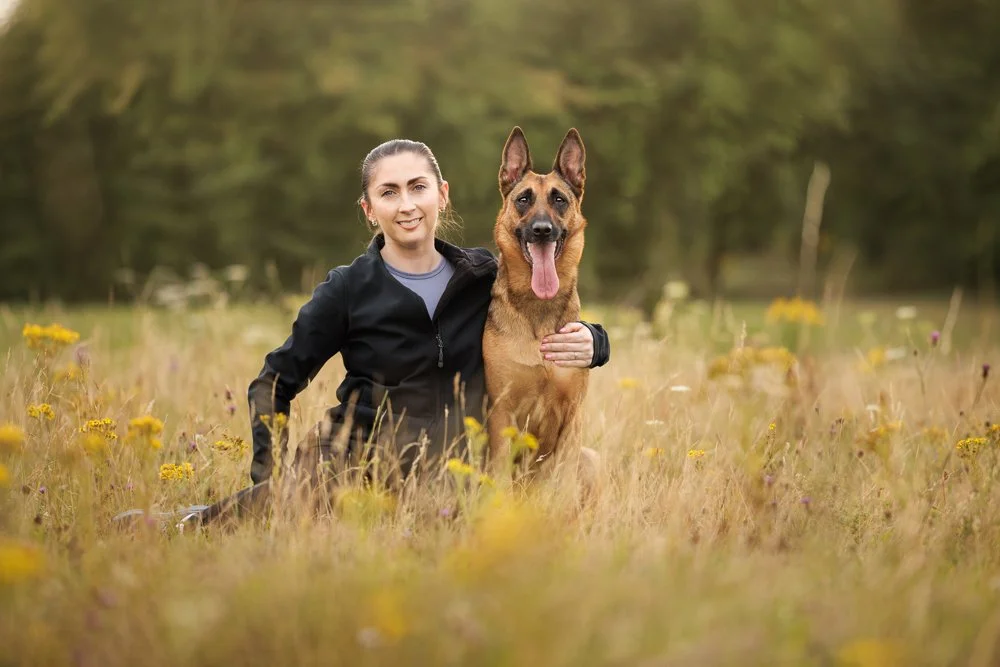
I remained passive at first, giving her space to observe. She kept her distance initially but gradually relaxed, exploring the field and interacting on her own terms. By the end of the session, she was confident, playful, and fully engaged, resulting in portraits that truly reflected her personality.
FAQ: Reactive Dog Photography
Q: Can reactive dogs enjoy a photography session?
A: Absolutely. With the right location, pace, and approach, reactive dogs can feel safe and even enjoy exploring while having their portraits taken.
Q: What locations are best for reactive dogs in Hampshire?
A: Quiet, enclosed fields, secluded woodland paths, and other private outdoor spaces work best.
Q: How do you prevent reactive dogs from getting stressed?
A: Using long lenses, maintaining distance, observing body language, and allowing the dog to lead the session helps minimise stress.
Final Thoughts
Reactive dogs can thrive in a photography session with patience, understanding, and a safe environment. They do not need to be confident or outgoing. They just need space, reassurance, and a photographer who adapts to them. If you have a reactive dog in Portsmouth or Hampshire, get in touch to plan a calm, personalised photography session that captures your dog’s personality naturally.
Another blog post you may find interesting: A Guide to Dog Photography Sessions for Nervous or Shy Dogs